

Why Do Moss and Algae Grow on Roofs in Gloversville, NY?
Moss and algae appear on roofs in the community due to the region’s humid summers, ample rainfall, and long, shaded periods created by mature tree cover. The combination of moisture, organic debris, and areas with limited sunlight create an ideal environment for these organisms to take hold.
Moss is a plant that thrives in damp, shaded spots, often appearing as a green, fuzzy layer on shingles or along roof edges. Algae typically show up as dark, streaky stains and can spread widely across a roof’s surface. While both are common, moss tends to cause more roof damage over time, as it retains moisture that can speed up deterioration of roofing materials.
Are Moss and Algae Harmful to My Roof?
Moss and algae do not impact the structure of a roof equally. Here’s a clear breakdown:
- Moss: Its roots can lift shingles and trap water against the roof, increasing the risk of leaks, shingle decay, and eventual structural damage — especially as the freeze-and-thaw cycle hits in Gloversville’s cold seasons.
- Algae: Generally creates unsightly black streaks but doesn’t directly harm roofing materials. However, algae can make shingles less reflective, raising attic temperatures and potential cooling costs during warmer months.
Quick action can prevent minor issues from becoming long-term roof repair problems.
How Can I Safely Clean Moss and Algae Off My Roof?
The first step is to use the gentlest approach possible. Physical removal and correct products make a difference:
- Remove loose debris, such as leaves or twigs, with a leaf blower or soft broom, never a pressure washer, as high-pressure water can damage roofing.
- For small patches of moss, use a long-handled, soft-bristled brush working gently downward with the shingle grain. This prevents shingle edges from lifting or breaking.
- To treat widespread moss or algae, a homemade solution of 50:50 water and household vinegar, or a low-strength store-bought moss cleaner (non-bleach), can be sprayed on affected areas. Let it soak for 15-20 minutes before using your brush. Rinse gently with a regular garden hose.
Always wear non-slip shoes and avoid getting on the roof if it’s steep, wet, or otherwise hazardous. If the area is extensive or difficult to reach, consider using a pole applicator or treating from a secured ladder. Safety is critical.
Are There Ways to Prevent Moss and Algae From Returning?
Yes, prevention makes ongoing maintenance much easier for area households:
- Trim tree branches to allow more sunlight onto the roof, which discourages moss and algae growth.
- Clean gutters regularly so water can drain freely and debris isn't trapped along roof edges.
- Keep leaves, pine needles, and organic matter off the roof, particularly after the fall leaf drop or windstorms.
- Install zinc or copper strips along the roof ridge; these metals create an environment where moss and algae struggle to grow as rainwater carries trace metals downward over the shingles.
Routine seasonal checks every spring and fall go a long way toward catching the first signs of regrowth and minimizing build-up.
What Common Mistakes Should Gloversville Residents Avoid?
Several well-meaning habits can actually damage a roof or fail to solve the real issue:
- Avoid power washing, as it can strip off protective granules from shingles and cause leaks.
- Steer clear of high-strength bleach, especially mixtures containing more than 5% sodium hypochlorite, which can corrode metal gutters, damage landscaping, and shorten shingle lifespan.
- Don’t allow moss or algae to sit for more than a season, as prolonged growth makes removal harder and increases the risk of moisture-related damage.
- Using stiff brushes or scraping tools can peel or crack shingles, so stick to soft, downward strokes and avoid prying at corners.
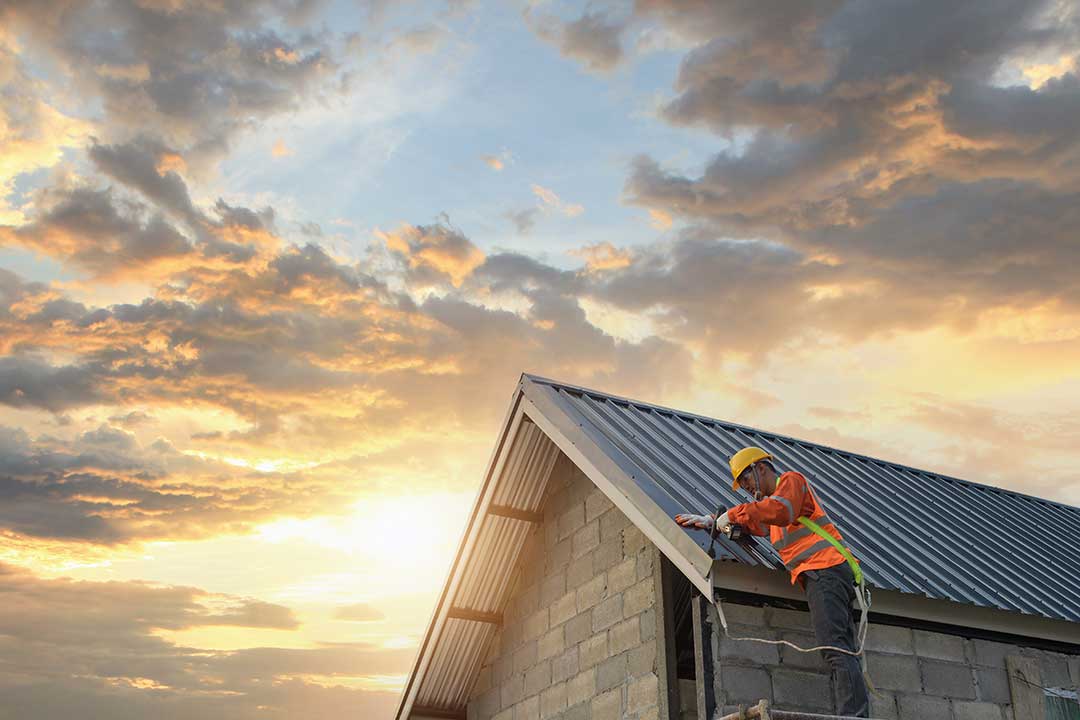
Consistent, gentle care retains the integrity of roofing materials far more effectively over time.
How Often Should Homeowners Inspect Their Roofs for Moss and Algae?
A visual inspection is recommended at least twice a year, ideally in the spring after snow melts and again in late fall following leaf drop. After heavy rain or wind, a quick check can also be beneficial, as new debris may have landed on the roof.
Look for:
- Patches of green, yellow, or black that weren’t present during the last inspection.
- Debris accumulation, especially in valleys, around chimneys, or under overhanging branches.
- Curling, raised, or discolored shingles that could signal a moss or algae problem.
Early identification makes treatment simpler and helps preserve roof life in Gloversville’s ever-changing weather conditions.
When Should Roof Moss or Algae Issues Be Considered an Emergency?
Addressing moss and algae typically isn’t urgent; however, it becomes a priority if:
- Moss has lifted shingles to the extent that daylight is visible between them.
- Water spots, leaks, or damp patches appear inside the attic or ceilings.
- Large, rapid moss growth appears after a recent storm, especially if the roof is older or already worn.
In such cases, delaying action can lead to water penetrating roofing layers, causing far more expensive structural repairs. If conditions are unsafe — such as after ice, rain, or a storm — remain off the roof and delay any hands-on cleaning until surfaces are dry and stable.
In every season, simple, regular attention helps local residents maintain safe, attractive, and long-lasting roofs throughout Gloversville’s varied climate.
