
How Are Modern Roofing Materials Changing Local Homes?
Advancements in roofing materials are making roofs longer-lasting and more energy-efficient for Gloversville, NY households. Recent options such as architectural shingles, metal roofing panels, and high-performance underlayments differ from older styles by offering improved durability and weather protection—important for homes facing the city's snowy winters and humid summers.
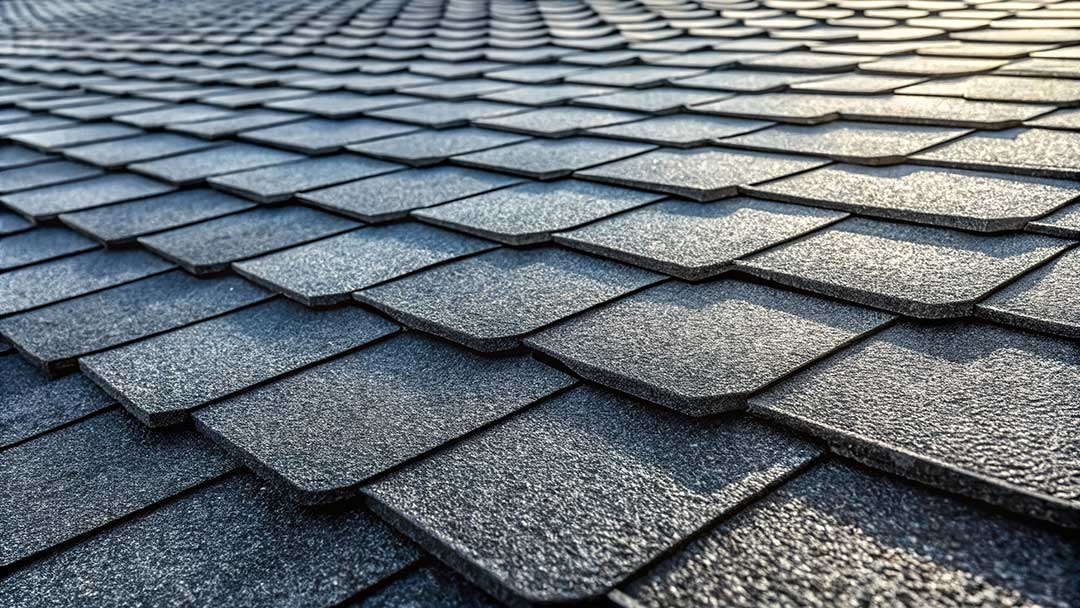
Architectural asphalt shingles, for example, typically last longer than traditional three-tab versions and hold up better against wind and hail. This can be valuable for Gloversville residents, as harsh winters and freeze-thaw cycles can speed up wear on older roofing styles. Metal roofing, once rare on residential buildings, is now designed for neighborhood aesthetics and can shed snow more easily, reducing ice dam risks.
Insulated roofing panels and synthetic slate tiles have also become more accessible. These products are engineered to handle local climate extremes and may help maintain stable indoor temperatures, translating to lower heating and cooling costs for area families.
Are Smart Roofing Systems Worth Considering in Gloversville, NY?
Smart roofing technologies use monitoring tools and sensors to track potential issues like moisture intrusion, ice dams, or shingle damage before they become bigger problems. While these systems are gaining traction in larger urban markets and commercial buildings, some versions are offered for local residences.
For example, moisture-detection strips placed beneath shingles can alert homeowners to leaks, which is useful for homes vulnerable to ice damming or attic condensation in Gloversville’s variable climate. Additionally, some new skylights and attic fans connect to home automation systems, allowing remote control via smartphone for better ventilation and humidity management.
While the initial cost of smart features can be higher, Gloversville residents with older homes or those frequently dealing with roof issues may find these systems provide peace of mind and help prevent costly repairs down the road.
How Do Modern Roofs Support Local Energy Efficiency and Sustainability?
The newest roofing innovations often aim to lower energy consumption and make homes more environmentally friendly. For the Gloversville community, where winter heating bills and summer humidity are concerns, a well-chosen roof upgrade can make a noticeable difference.
Several recent developments include:
- Cool roofing coatings that reflect more sunlight and absorb less heat, minimizing attic temperatures during summer and potentially preserving attic insulation and wood framing.
- Solar-integrated shingles or panels that blend directly into the roof’s surface, allowing energy generation without bulky external racks. While full solar installations may not be appropriate for every home—especially those on shaded lots—these options can reduce electricity costs for suitable properties.
- Improved attic insulation and ventilation systems, paired with modern roofs, keep living spaces more comfortable year-round and help protect roofing components from moisture build-up.
Some Gloversville-area property owners have started exploring roof materials made from recycled content. These products can match traditional aesthetics while diverting waste from landfills, though local supply and pricing may vary.
What Roofing Upgrades Address Gloversville’s Snow, Ice, and Storm Challenges?
Products designed for Northeastern climates have grown more sophisticated. Modern ice and water shield membranes are now formulated for extreme cold and better adhere to roof decks to stop leaks from wind-driven rain or melting snow. This is especially helpful for Gloversville homes with older insulation, irregular attic ventilation, or complex roof shapes where ice dams are common.
Other innovations of note:
- Heated roof edge cables, more reliable and easier to control than earlier versions, reduce ice buildup along gutters and eaves during freeze-thaw cycles.
- Impact-resistant shingles and metal panels are specifically tested against hail and flying debris, decreasing the likelihood of storm damage—important for neighborhoods with mature trees or frequent windstorms.
These features add direct value for Gloversville residents by lowering risk of costly water damage and extending the lifespan of the roofing system.
Are There Common Misconceptions About Innovative Roofs in the Community?
Some area homeowners worry that newer roofing technologies are primarily for large markets and won’t suit traditional homes in Gloversville. However, many innovations are designed with aesthetics and compatibility in mind, allowing updates that preserve neighborhood appearance.
Examples of misconceptions include:
- Belief that metal roofs are only suitable for commercial or barn-style structures—yet modern designs can resemble shingles or slate, fitting seamlessly into residential areas.
- Concern that “cool” roofs are only for southern climates; in fact, reflective materials and proper ventilation are beneficial in the Northeast, even with a strong heating season, as they help prevent moisture issues and attic overheating in summer.
- Perception that monitoring systems are too complex or unnecessary—basic sensors and alarms can be low-profile and offer practical, actionable alerts for leaks or blockages.
Residents are also sometimes unaware that many advanced roofing materials are specifically tested for cold climates and are not limited to mild weather regions.
What Should Residents Look for When Evaluating Roofing Upgrades?
When considering any innovative roofing update in Gloversville, a practical approach involves weighing upfront cost, ongoing maintenance needs, and compatibility with local climate challenges. Some systems offer more benefit for homes with chronic attic moisture, historic construction, or those looking to increase energy efficiency.
Key factors to review include:
- Expected lifespan of materials in the Northeast’s weather patterns
- Performance under snow loads and during rapid freeze-thaw cycles
- Local building regulations regarding energy conservation and materials usage
- Potential insurance incentives for impact-resistant or fire-rated products
Understanding how new options differ from traditional roofing can help local homeowners make choices that improve comfort, lower long-term costs, and add resilience against future storms.
