
What Is Roof Underlayment and Why Does It Matter?
Roof underlayment is a protective layer installed between the decking (the structural surface) and the roofing material—such as shingles or metal panels. Its job is to act as a second line of defense against moisture, wind-driven rain, and ice dams that can bypass the main roofing surface. In climates like Gloversville, NY, where winter snow and spring rains are common, underlayment helps keep attics dry and protects homes from leaks that may go unnoticed until damage appears.
Which Types of Roof Underlayment Are Used in Gloversville, NY?
There are three main types of roof underlayment found in local homes: asphalt-saturated felt, synthetic, and rubberized asphalt. Each type has its benefits, and their use can depend on budget, house style, and roofing material.
- Asphalt-saturated felt: Known as "felt paper" or "tar paper," this traditional option is common in many older Gloversville homes. It offers a water-resistant barrier and basic protection. However, it may deteriorate more quickly under prolonged moisture or cold temperatures typical in this area.
- Synthetic underlayment: Made from polypropylene or polyethylene, these sheets are lighter and more resistant to tearing—especially important during heavy winds or when foot traffic occurs during installation in the city.
- Rubberized asphalt: This option provides a waterproof seal and self-adhesive backing, making it ideal for vulnerable spots like roof edges, valleys, and areas prone to ice dams—an ongoing concern for Gloversville area households during winter months.
How Does Underlayment Help with Ice Dams and Winter Conditions?
Underlayment serves as a crucial barrier against ice dam leaks, which are a notable risk in Gloversville due to frequent freeze-thaw cycles. When snow melts on a roof and water refreezes at the eaves, it can cause ice buildup that pushes water under shingles. Quality underlayment prevents this water from soaking into the wood deck and causing rot, even if the shingles themselves become compromised.
Many local roofers use an "ice and water shield" type of rubberized asphalt underlayment along eaves and in valleys, specifically because of this winter hazard. Local building codes often require these additional layers for new or replacement roofs to meet safety standards.
What Are the Common Installation Practices in the Area?
The way underlayment is installed can make a difference in roof performance, especially in climates that experience wide temperature swings like Gloversville. Typically, installers:
- Overlap underlayment sheets to ensure complete coverage and minimize the chance of water intrusion.
- Secure layers with corrosion-resistant fasteners so they withstand heavy winds, weight from snow, and shifting temperatures.
- Pay special attention to roof penetrations (such as vent pipes and chimneys), using additional waterproof membranes in these locations.
Doing this work properly helps homes withstand Gloversville’s mix of wet springs, humid summers, and heavy winter snow.
Are There Local Building Codes or Rules About Underlayment?
Gloversville follows state and local codes that define what type and amount of underlayment must be used, especially concerning ice dam protection. For most new roofs, a waterproof underlayment is required along the eaves (the lowest part of the roof) for a distance into the roof deck—usually at least 24 inches inside the heated wall line. This extra measure is intended to stop water intrusion even during severe ice dam events.
Before planning a roofing project, homeowners should verify current regulations with the local building department, as requirements may change based on roof slope and occupancy.
What Misconceptions Do Residents Have About Underlayment?
A common misconception is that shingles alone keep water out of the roof structure. In reality, underlayment is essential for stopping leaks caused by wind-driven rain or ice that gets beneath shingles. Some homeowners also assume that if their roof has no visible leaks, the underlayment must be fine. However, aging felts or synthetics can lose effectiveness over time, so checking condition periodically is worthwhile—especially after storms or long winters.
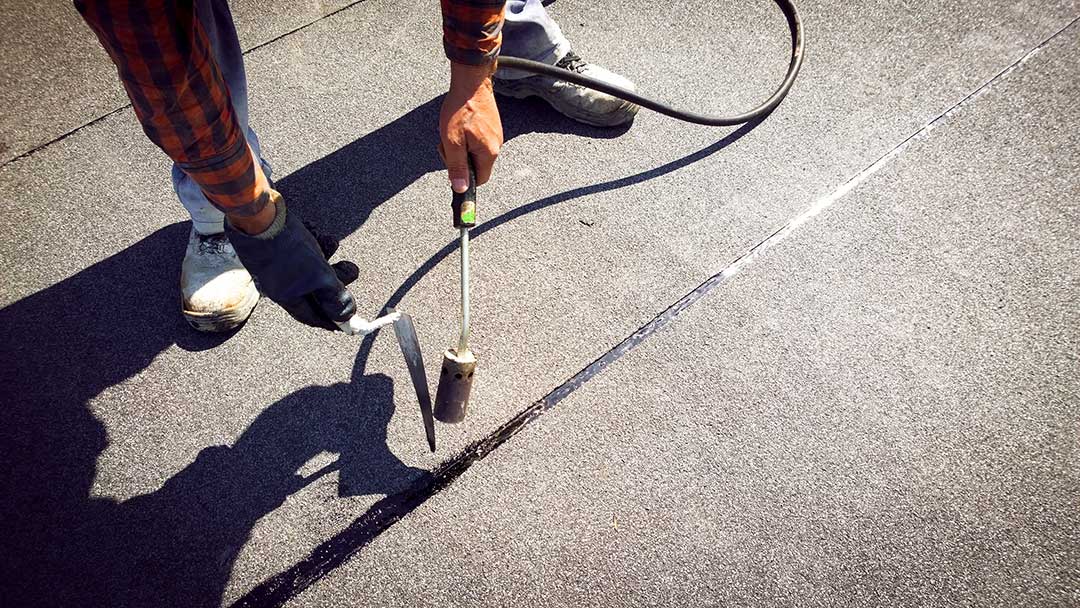
It's also sometimes believed that synthetic underlayments don’t need overlapping or that self-adhesive products automatically seal all gaps. In fact, every material type has manufacturer instructions and local code requirements that must be followed for best performance.
How Can Homeowners in Gloversville Inspect Roof Underlayment?
Direct inspection of underlayment isn’t possible without removing some roofing material; however, there are indirect ways to assess its condition in Gloversville homes:
- Look for stains or dampness on attic ceilings, which could mean a local underlayment failure.
- After heavy snow or ice, check for water pooling at the base of walls or near ceiling fixtures.
- If shingles are missing or damaged, underlying layers may also be affected—especially after a storm.
For most residents, visual clues in the attic or on ceilings provide early warnings long before water becomes a major issue. Repairs or replacement may involve removing shingles or panels to reach the underlayment.
What Factors Should Be Considered When Replacing or Upgrading?
Selection of roof underlayment should be based on the home’s roof slope, type of roofing material, and typical weather patterns in the region. For example:
- Low-slope roofs (between 2:12 and 4:12 pitch) may need a fully waterproof underlayment over the entire surface.
- Areas with frequent snow (like Gloversville) benefit from ice and water shields at eaves and valleys.
- If re-roofing an older home, upgrade to synthetic or rubberized materials for longer life and added protection.
By matching local weather challenges with the right underlayment, area households can avoid many of the water-related repair costs that come with cold and wet seasons.
