
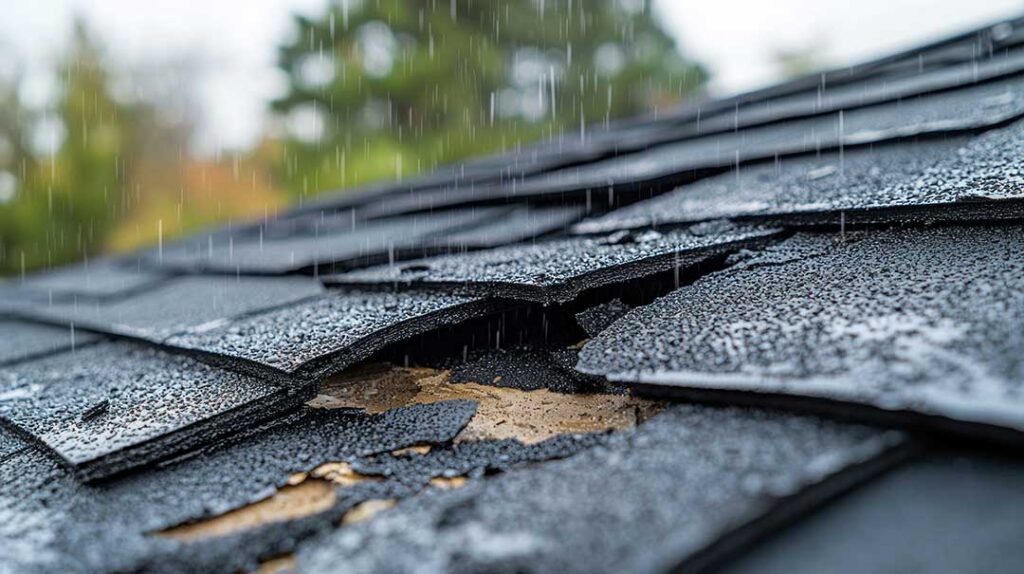
Why Can Improper Holiday Decoration Storage Harm Your Roof?
Improper storage or handling of holiday decorations can cause unexpected roof problems, especially in climates like Gloversville, NY, which experiences heavy snow, ice, and seasonal freeze-thaw cycles. Putting weight or storage bins directly on your roof can weaken shingles, lead to leaks, or create points where ice dams later develop. Using improper fasteners or leaving decorations up too long may also damage roofing materials.
Residents of Gloversville tend to store holiday items in attics, garages, basements, or sheds, but seasonal decorations sometimes make their way onto rooftops—particularly for outdoor lights or festive displays. Understanding which storage practices are safe avoids unintentional roof repairs down the road.
Can Holiday Decorations Be Stored on the Roof?
Directly storing any items—even temporarily—on your roof in Gloversville is not recommended. The surfaces are designed to shed water and resist local winter weather, not to support storage bins, boxes, or heavy decorations after use.
- Excess weight may crack or dislodge shingles, harming the weather barrier.
- Storage containers can trap moisture, leading to rot or decay, especially after rain or snowmelt.
- Loose items risk sliding into gutters or downspouts, causing blockages.
- Objects left on the roof may form ice dams or attract pests.
Instead, bring all holiday displays and lights down and store them in dry, accessible areas inside the home or garage after the season ends.
What Are Safe Storage Locations for Decorations in Gloversville Homes?
The safest storage solutions keep both your decorations and your roof protected throughout the off-season. Gloversville homes, many of which have attics, basements, or detached sheds, offer several appropriate storage options.
- Place items in the attic only if the space is dry and well-ventilated. Avoid overloading attic floors, as this can stress roof framing or insulation.
- Garages work well for larger decorations, but keep items off the ground and away from water sources.
- Finished basements can be used for more delicate pieces, but monitor for seasonal humidity.
- For those with only limited indoor space, weatherproof plastic totes can be stored in sheds. Ensure these are up on shelves or pallets to prevent frost or moisture damage.
Be aware that storing heavy items directly against attic rafters or on unreinforced attic floors can cause sagging, especially with homes built in Gloversville’s earlier decades.
Are There Special Considerations for Roof-Mounted Holiday Lights?
Holiday lights are one of the most common decorations to interact directly with the roof. Installing and removing them thoughtfully can prevent damage to both shingles and roof structure.
- Use plastic or rubber clips that attach to gutters or eaves, rather than nailing or stapling into shingles or trim.
- Do not run extension cords through windows or vents, as this can weaken weather seals.
- Always remove lights as soon as the holiday season is over; lingering wires can trap debris or ice.
- Inspect lights before installation and after removal; broken or missing clips should be replaced to avoid scratches or punctures.
During installation or removal, take care not to walk heavily on shingles, especially during freeze-thaw periods when they can be brittle.
How Does Seasonal Weather Affect Storage and Roof Safety?
In Gloversville, winters can be exceptionally harsh, with freeze-thaw cycles, ice storms, and heavy snow accumulations. These factors make proper storage and careful removal of exterior decorations more important.
- Never attempt to access the roof or remove decorations during icy or snowy conditions.
- Late-season thaws may create dangerous slick surfaces; wait until dry and mild weather if climbing a ladder.
- Decorations left up when snow accumulates may become embedded in ice, making both removal and storage riskier.
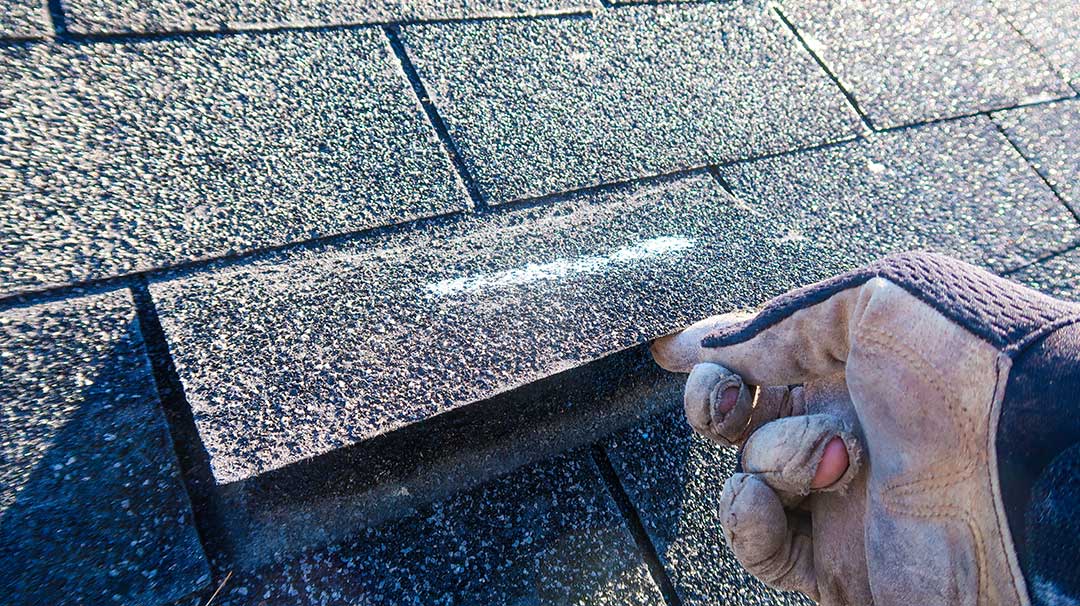
Planning storage and takedown for clear, dry days in late fall or early spring helps prevent unnecessary roof stress.
What Are Common Mistakes Residents Make When Storing Holiday Decorations?
Even well-meaning residents of the city occasionally fall into habits that can put their roofs—or their decorations—at risk.
- Leaving decorations out until late winter, where they become frozen to roofing or gutters.
- Using attic spaces as storage without checking for proper insulation, ventilation, or load limits.
- Storing items in plastic bags in unheated garages or sheds, allowing condensation to form and mildew to develop.
- Hanging heavy or oversized decorations directly from shingles or roof edges, which can pull on roofing materials.
Instead, take time to pack decorations in sturdy containers, invest in proper installation hardware for exterior lights, and periodically inspect your usual storage area for leaks or other signs of trouble.
What Simple Steps Can Help Avoid Roof Damage Next Holiday Season?
A few basic steps can keep both your decorations and your roof in good shape, no matter how many snowy winters the city brings:
- Inspect and clean all roof areas before installing lights or displays. Remove debris to allow water to flow freely.
- Choose lightweight decorations and use only manufacturer-approved attachment methods.
- Set calendar reminders for timely removal.
- Label storage boxes clearly to reduce time spent searching in attics or basements, minimizing movement or inadvertent damage in tricky spaces.
- Regularly check storage areas during the off-season, especially after storms, to catch signs of leaks or structural stress early.
By handling decorations with care and choosing storage practices suited for the local climate and housing styles, area households can enjoy festive seasons year after year without worry.
