
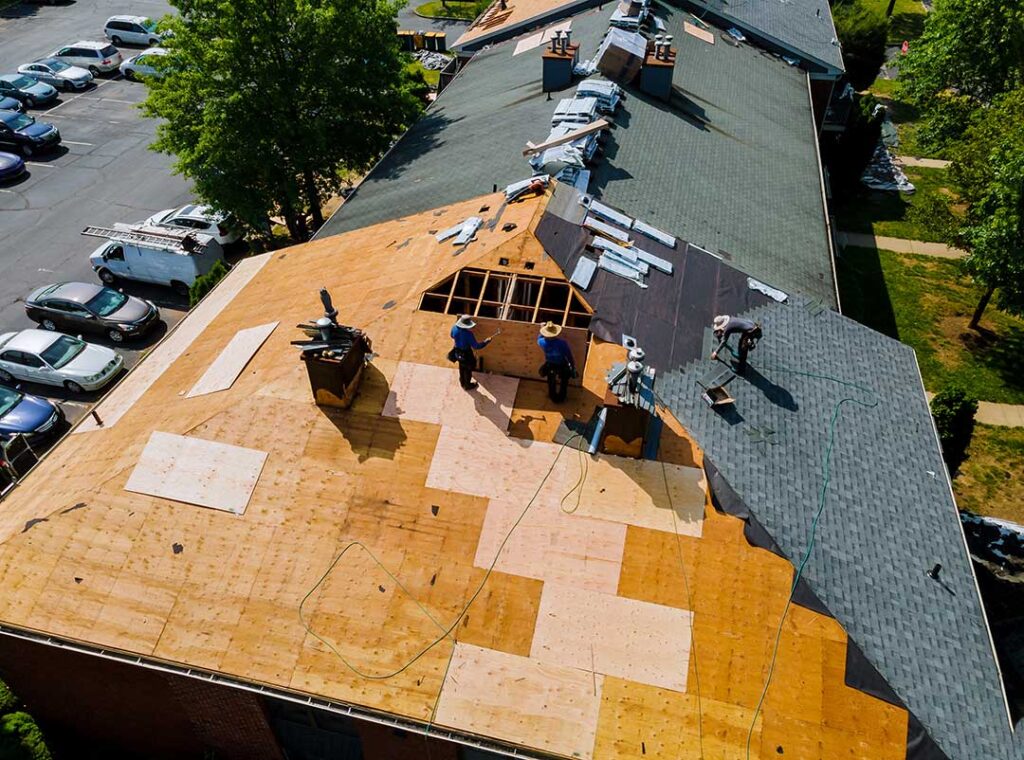
Why Does Roof Maintenance Matter So Much Here?
Homes in Gloversville, NY face all four seasons, with cold winters, humid summers, and plenty of rain in between. Each season brings different challenges for roofing—from ice dams in January to moss growth after spring rains. Regular attention helps extend a roof’s life, reduces the risk of hidden leaks, and protects against expensive repairs. A few small checks each season go a long way in keeping homes in the area dry and safe.
What Should Be Checked on a Roof Each Spring?
Spring is a good time to examine a roof after winter weather. Briefly: inspect for damage caused by snow, ice, and wind.
- Look for missing, cracked, or curling shingles, especially after heavy snow or freeze/thaw cycles
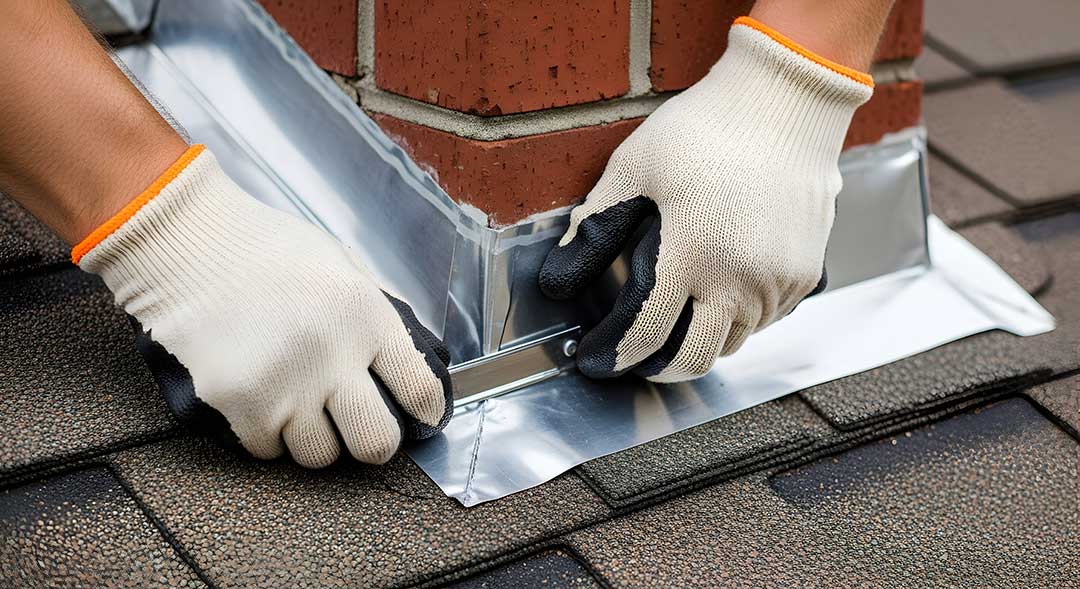
- Check the flashing around chimneys, dormers, and vents for gaps or signs of lifting
- Remove limbs, leaves, and debris from both the rooftop and gutters to prevent blockages
- Examine attic walls and ceilings for new water stains indicating leaks
Many homeowners overlook gutters in the spring. Clogged gutters from winter buildup can prevent proper drainage and contribute to rot. If a roof is too steep or high, avoid climbing and use binoculars or a camera to inspect from the ground.
How Often Should Gutters Be Cleaned in This Area?
In communities surrounded by mature trees, gutters often clog twice a year or more. Clean gutters every spring and late fall, and check after storms with heavy wind or leaf drop.
- Debris in gutters can freeze, leading to ice dams which force water under shingles
- Blocked downspouts risk water overflow near the foundation, sometimes resulting in basement dampness
Be sure to flush gutters with water after clearing debris to ensure downspouts are open.
What Are Common Summer Roof Issues Locally?
Summer in the city brings heat, humidity, and the occasional thunderstorm. Extreme sun can dry out roofing materials and make older shingles brittle.
Check in summer for:
- Loose or popped nails, especially after temperature swings
- Early signs of moss or algae, particularly on the north or shaded sides of the roof
- Signs of animal activity, such as wasp nests or chew marks near roof edges and vents
Lichen and moss buildup are common along shaded, tree-lined streets. These, if left unaddressed, can trap moisture and shorten the lifespan of the roof. Gently remove growth, but avoid pressure washing as it can damage shingles.
What Should Homeowners Do Before Winter Arrives?
Preparing in fall helps prevent ice-related problems during cold months. Here are top tasks:
- Remove all leaves, branches, and seed pods from roof and gutters—leftover debris is one of the most common sources of winter water backup
- Check the attic for signs of poor ventilation (mold, dampness, musty smell)
- Look for cracked or crumbling caulk around flashing and joints; reseal if needed
- Trim tree limbs that hang over the home to prevent snow load or limb breakage
Many residents forget to check attic insulation when preparing for winter. Adequate insulation helps prevent warm air from escaping and creating ice dams on the roof.
How Do Ice Dams Form and How Can They Be Prevented?
Ice dams are a regular problem in older neighborhoods and on homes with complex roofs. These form when heat from inside melts snow, which then refreezes at the roof edge, blocking water and pushing it under shingles.
Preventative measures include:
- Ensuring attic insulation and ventilation are adequate and evenly distributed
- Sealing attic bypasses (gaps around pipes, wiring, or vents where warm air escapes)
- Keeping gutters clear before the first snow
If an ice dam forms, removing snow from the roof with a roof rake (never a shovel, which can damage shingles) helps reduce risk.
What Are Some Signs of Roof Trouble Between Inspections?
Roof leaks and damage can develop between seasons, especially after windstorms or heavy rain. Key warning signs include:
- Water spots or mold on attic rafters or ceilings
- Pieces of shingle or granules washing out of downspouts
- Sudden spikes in heating or cooling bills, which might mean hidden air leaks
- Sagging at the roofline, which warrants urgent attention
Homeowners sometimes mistake dampness around windows or walls for plumbing leaks when the real issue is a roof leak. A quick check of the attic can rule this out.
Are There Roof Tasks That Should Be Avoided for Safety?
Many parts of the roof can be visually checked from a ladder or the ground. However, avoid walking directly on steep, wet, or icy roofs. Metal, tile, and older shingle roofs can be especially slippery. Unstable ladders or overstretching can also result in falls—use extendable tools whenever possible and inspect only in good weather.
For homes with particularly steep or tall roofs, or if damage is obvious but severe, consider seeking assistance for safety’s sake.
