
What Should Residents in Gloversville, NY Consider Before Hanging Lights on a Roof?
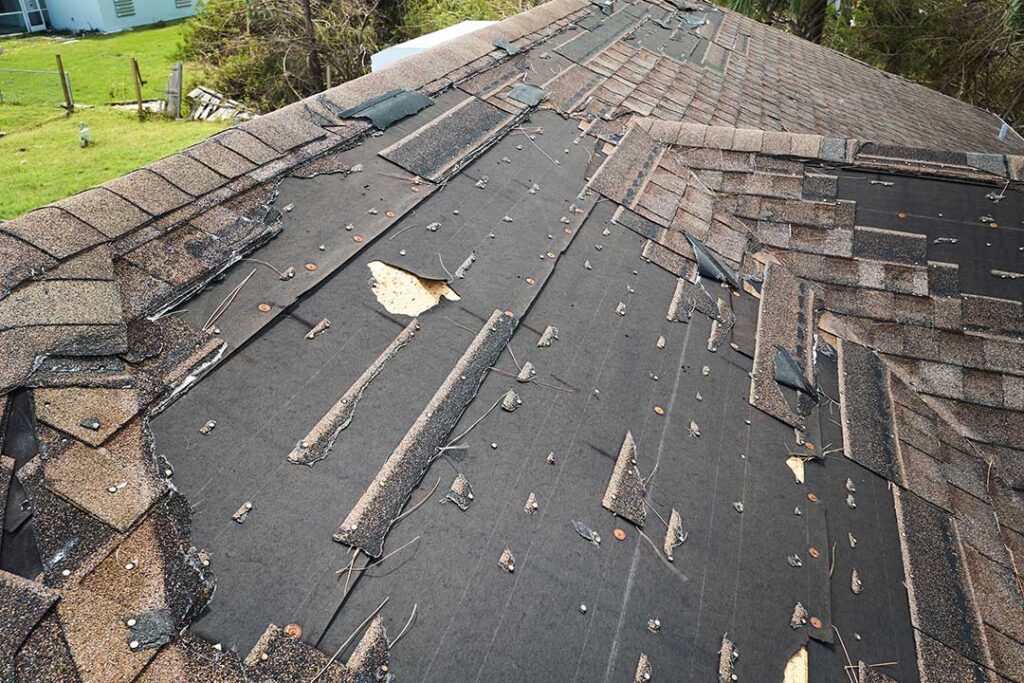
Always start by assessing roof access, weather, and personal safety before decorating. Winters in Gloversville bring frequent snow, ice, and wind, making roof work riskier. Inspect the area from the ground first and avoid working during icy or wet conditions. It’s best to plan for daylight hours and pick a calm, dry day.
Many homes in the city feature pitched roofs or architectural details common in Upstate New York's housing stock. Steeper or slate roofs, especially in older homes, may be especially slippery or fragile. Residents should also check for any local guidelines about exterior lighting during the winter season, though residential lighting itself is rarely regulated.
How Can You Prepare to Hang Lights Without Damaging Your Roof?
Light installation should never involve puncturing, nailing, or screwing into roofing materials—these methods can cause leaks and invalidate warranties. Instead, use plastic light clips specially designed for shingles or gutters. These clips are widely available and minimize risk to asphalt, metal, or slate surfaces.
- Inspect all lights for frayed wires or cracks.
- Untangle and test lights indoors before heading outside.
- Remove debris like leaves or sticks from gutters and eaves to prevent drainage issues after decorating.
Taking these preparatory steps makes the process safer both immediately and over the winter season.
What Equipment and Safety Gear Are Recommended?
For most homes in Gloversville, a sturdy extension ladder is essential. Choose a ladder tall enough to reach the eaves without standing on the top rung, and always set it on solid, even ground. Rubber feet help prevent slipping on icy pavement or driveway gravel.
Wear shoes with good tread and cold-weather work gloves to maintain dexterity and grip. If possible, have a second person assist—someone can hold the ladder and hand up supplies, reducing trips up and down.
Safety equipment checklist:
- Sturdy extension ladder
- Weather-appropriate work gloves
- Rubber-soled boots
- A helper, for added security
- Outdoor-rated extension cords
How Do You Install Lights Along Rooflines and Gutters Safely?
Begin by clipping lights to gutters or directly onto shingles with plastic clips. Do not lift shingle edges more than necessary, as this can break the protective seal or cause cracks—particularly in cold weather. For gutters, there are all-in-one clips that hold both miniature and C7/C9 bulbs securely.
- Start at the point nearest the power outlet.
- Work outward, keeping cables taut but not overly stretched.
- Avoid letting bulbs touch the roofing material, as bulbs can trap heat or rub against shingles in wind.
Use only outdoor-rated extension cords and plug connections into ground-fault protected outlets. Secure strings and cords so they can’t flap in the wind or tangle with ice forming on eaves.
Are There Steps to Take Specifically for Gloversville's Winter Weather?
Snow and ice buildup can add stress on both roof and light strings. In the cold season, check lights after heavy snowfall; frozen cords or heavy icicles can pull clips or bulbs loose. Remove excess snow from eaves with a roof rake—as long as it can be done from the ground.
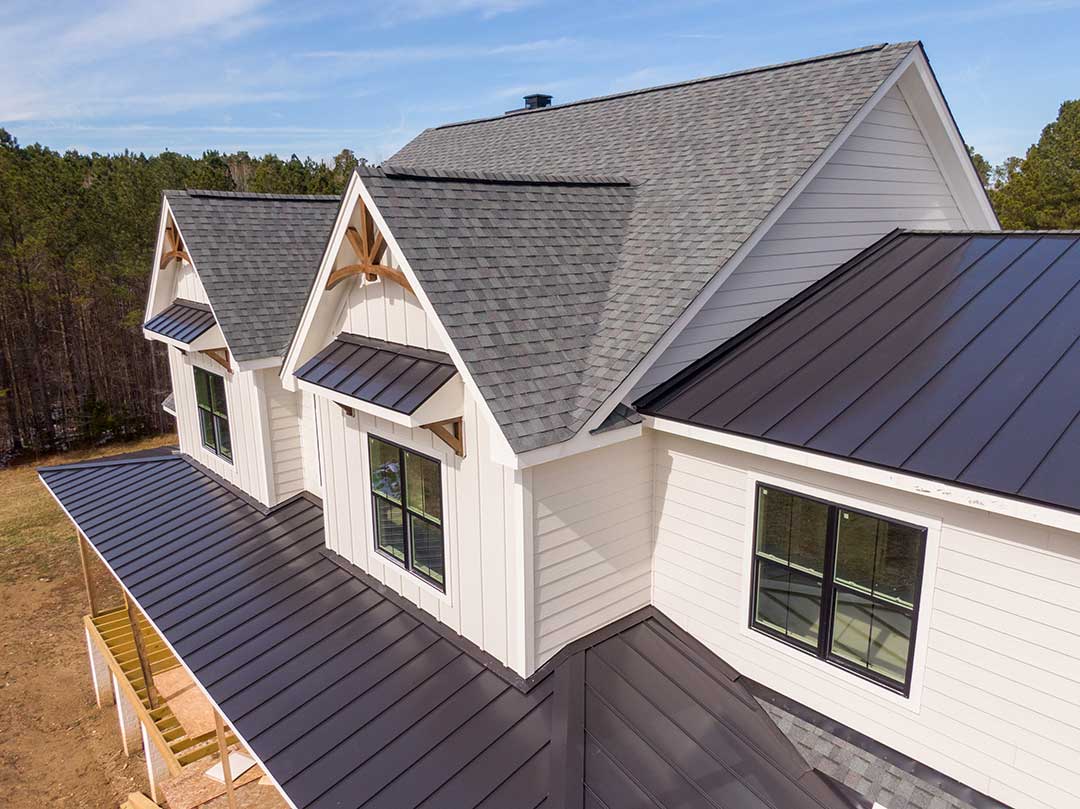
It’s wise to avoid roof work entirely during active storms or freeze-melt cycles, common during local winters. Residents with metal or slate roofs should take extra care, as these surfaces become extremely slick and dangerous with even a thin layer of frost.
What Are Common Mistakes That Lead to Roof or Gutter Damage?
In Gloversville homes, the most frequent issues come from:
- Using staples, nails, or screws—these tools pierce water barriers.
- Overloading circuits—older homes may have limited outdoor outlets.
- Overstretching light strings—this can loosen connections and stress clips.
- Climbing on icy roofs—falls are a serious risk and emergency services face delays during winter storms.
Limiting time spent on the roof and using tools as directed prevents structural and personal injuries.
How Should Lights Be Removed After the Season?
Take lights down soon after the holidays or once danger of severe winter storms has passed. Gently unclip wires, avoiding any sharp tugs, and check as you go for broken or stuck clips. Remove all fasteners and sweep away debris again; lingering leaves or light clips can block proper drainage during spring thaws.
Store light strings coiled loosely indoors—never outside—so wires remain flexible and ready for use the next winter.
When Is It Safer Not to Install Lights Yourself?
While most straightforward installations can be managed by area residents, avoid DIY if:
- The roof is steep, unusually high, or covered in snow/ice
- There is any electrical damage visible on cords or outlets
- Personal mobility or balance is compromised
In these situations, waiting for safer conditions or asking for assistance from within the household is the best way to prevent accidents or injuries.
