
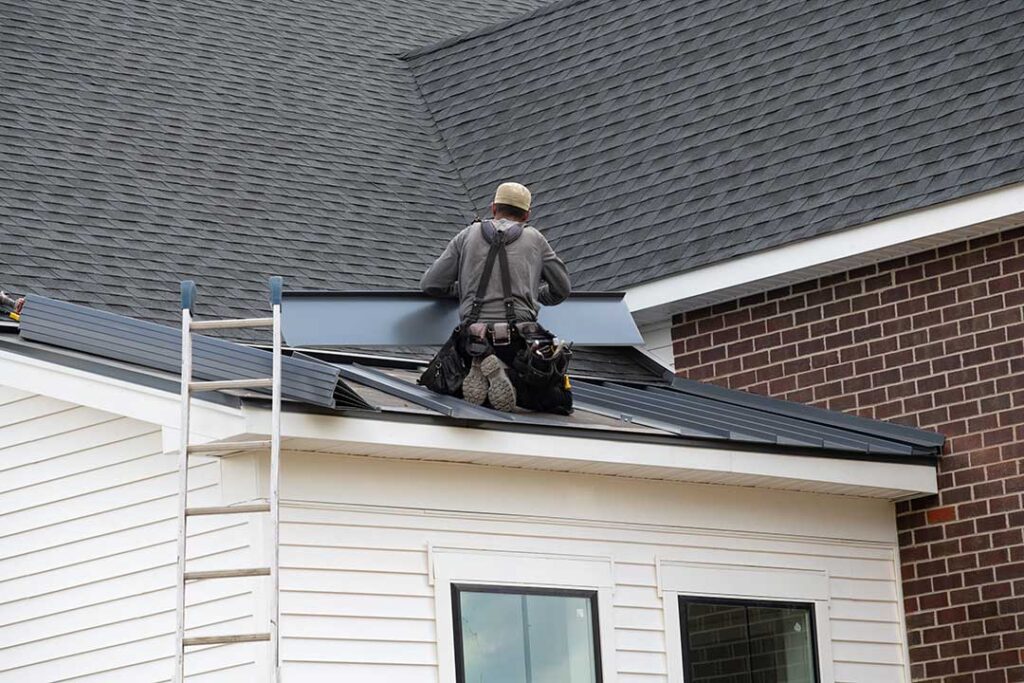
Roofing materials are designed to handle rain, snow, sunlight, and changing temperatures, but persistent humidity can affect how well they perform over time. In Gloversville, NY, seasonal moisture, damp spring conditions, summer humidity, and winter freeze-thaw cycles can all influence a roof’s durability.
Humidity does not usually damage a roof by itself. The greater concern is how moisture behaves when it becomes trapped beneath shingles, collects in poorly ventilated spaces, or combines with organic debris, temperature changes, and inadequate drainage.
How does humidity affect roofing materials?
Humidity adds moisture to the air. When warm, damp air reaches a cooler roof surface or attic area, water vapor can condense into liquid water. Repeated condensation may contribute to damp insulation, wood decay, fastener corrosion, mold growth, and deterioration of certain roofing materials.
The effect depends on several factors:
- The roofing material and its age
- Attic ventilation and insulation
- The roof’s slope and drainage
- Exposure to shade, wind, and sunlight
- Whether moisture can escape after entering the roof system
- The frequency of temperature changes
A roof that dries quickly after wet weather generally experiences less moisture-related stress than one that stays damp for long periods.
Why is attic ventilation important in humid weather?
Proper attic ventilation helps remove warm, moisture-laden air before it condenses beneath the roof deck. Without adequate airflow, humidity from bathrooms, kitchens, dryers, basements, and normal household activity can migrate into the attic.
A balanced ventilation system typically allows air to enter through lower intake areas and leave through higher exhaust areas. The exact arrangement varies by roof design, but ventilation should not rely on a single opening or an exhaust fan that pulls air from the living space.
Common signs of attic moisture include:
- Frost or dampness on the underside of the roof deck during cold weather
- Rusted nails or metal connectors
- Dark staining on wood
- Musty odors
- Compressed or wet insulation
- Peeling paint or damp areas near the ceiling
- Mold-like growth on roof sheathing
Ventilation alone cannot correct every moisture problem. Air leaks between the home and attic should also be sealed, especially around light fixtures, plumbing penetrations, attic hatches, and ductwork.
What happens to asphalt shingles in humid conditions?
Asphalt shingles can tolerate normal humidity, but prolonged dampness may shorten their service life when other problems are present. Moisture can encourage algae or moss growth, particularly on shaded roof sections where surfaces dry slowly.
Algae may create dark streaks that are mostly cosmetic, while moss can be more disruptive. Moss can lift shingle edges, hold moisture against the roof surface, and interfere with water runoff. In freezing weather, trapped water may expand and place additional stress on roofing materials.
Humidity can also make older shingles more vulnerable to:
- Loss of flexibility
- Cracking or splitting
- Granule loss
- Curling or edge deterioration
- Faster aging around roof penetrations
Dark roof areas, overhanging branches, and clogged gutters can make these effects more noticeable by limiting sunlight and airflow.
Can humidity damage metal roofing?
Metal roofing generally handles humid conditions well, but it is not immune to moisture-related problems. The main concerns are corrosion, condensation, and damage to protective coatings or fasteners.
Condensation can form on the underside of metal panels when warm, moist air meets a cooler surface. If the roof assembly does not include appropriate ventilation or moisture control, water may drip onto insulation or framing even when the exterior roof appears intact.
Corrosion risk increases when:
- Protective coatings are scratched or worn
- Water remains trapped around fasteners or seams
- Leaves and organic debris stay in contact with the metal
- Dissimilar metals react at connections
- Salt or chemical residues accumulate on the surface
A metal roof should be evaluated as a complete system, including panels, seams, flashing, fasteners, underlayment, and ventilation—not just the visible exterior.
How does humidity affect wood roofing components?
Roof decking, rafters, trusses, and roof-edge components are more vulnerable to humidity than most surface materials. Wood can absorb moisture from humid air, especially when ventilation is poor or a small roof leak remains unnoticed.
Repeated wetting and drying may cause wood to swell, shrink, warp, or split. Persistent dampness can also support fungal decay. The most vulnerable areas often include:
- Roof valleys
- Eaves and soffits
- Areas around chimneys, vents, and skylights
- Places beneath damaged flashing
- Sections near clogged gutters
- Shaded roof planes with limited drying
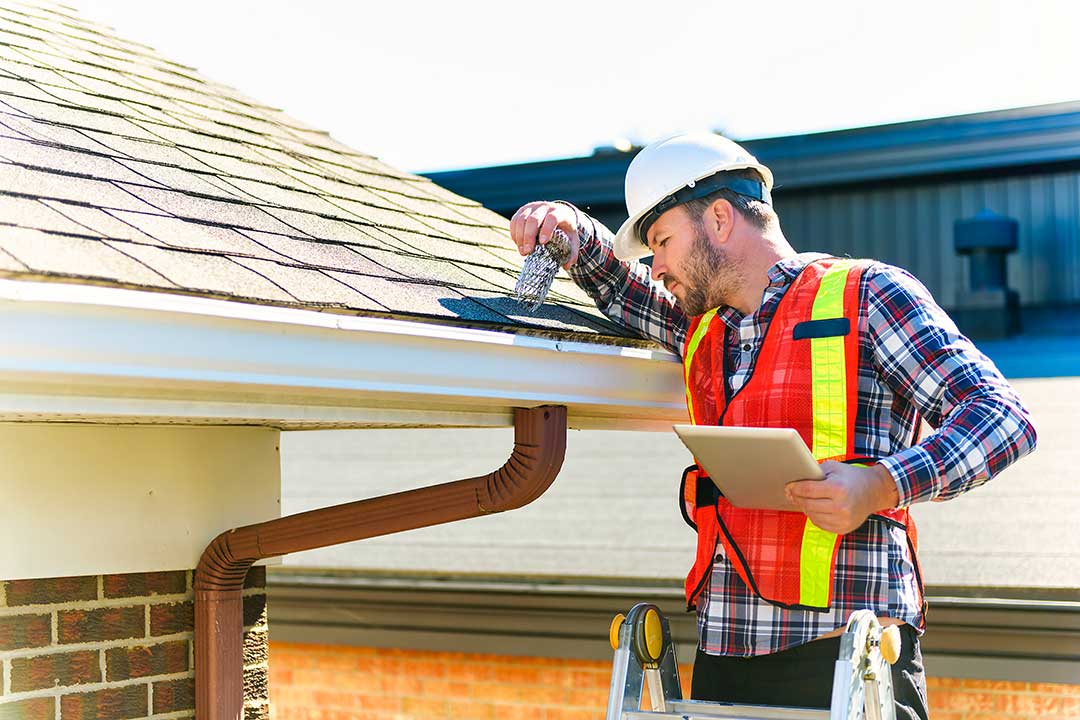
Wood damage may not be visible from the ground. Soft spots, sagging, stained ceilings, or recurring damp odors can indicate that moisture has reached the roof structure.
Does humidity cause roof leaks?
Humidity does not usually create a sudden leak in a sound roof. However, it can contribute to conditions that make leaks more likely or harder to detect.
For example, damp materials may deteriorate gradually, while condensation can mimic the appearance of a roof leak. Water stains may result from plumbing, attic condensation, ice-related backup, or exterior rain penetration. The location of a ceiling stain does not always identify the exact entry point because water can travel along framing before becoming visible.
After humid or rainy weather, homeowners may notice:
- New ceiling discoloration
- Damp attic insulation
- Dripping near vents or light fixtures
- Peeling interior paint
- Moisture around skylights or roof penetrations
Electrical fixtures that are wet, ceilings that are sagging, or areas with active dripping require prompt attention because they may present safety hazards.
What can homeowners do during humid seasons?
Routine observation helps identify moisture problems before they become structural. A roof does not need constant inspection, but seasonal checks are useful, especially after heavy rain, strong wind, or a long period of damp weather.
Practical steps include:
- Keep gutters and downspouts clear of leaves and organic debris.
- Trim branches that shade the roof or drop material onto it.
- Check attic spaces for damp insulation, staining, or musty odors.
- Use bathroom and kitchen exhaust fans during and after moisture-producing activities.
- Make sure dryer vents discharge outdoors and are not exhausting into an attic or wall cavity.
- Keep attic insulation from blocking intended ventilation paths.
- Look for lifted shingles, damaged flashing, exposed fasteners, or rust.
- Avoid pressure washing roofing materials, which can remove protective granules or damage surfaces.
In winter, indoor humidity can become a major source of attic condensation. Using exhaust fans, controlling humidifiers, and keeping warm indoor air from leaking into unconditioned attic areas can reduce moisture buildup.
Which roofing materials handle humidity best?
No roofing material is completely unaffected by moisture. Performance depends as much on installation, ventilation, drainage, flashing, and maintenance as on the material itself.
Asphalt shingles are common and can perform reliably when they dry properly. Metal roofing resists many forms of surface deterioration but still requires attention to condensation and corrosion protection. Wood roofing materials need especially careful moisture management because they absorb water and dry more slowly. Synthetic and membrane materials may resist water penetration, but their seams, edges, fasteners, and underlying deck still require proper installation.
The most durable roof is usually not the material with the highest moisture resistance on paper. It is a roof system that allows water to drain, air to move where intended, and wet components to dry before damage accumulates.
Understanding humidity’s role makes roof problems easier to interpret. Dampness beneath the roof, persistent surface growth, staining, or unusual odors are signs to investigate rather than ignore—particularly in a climate where wet seasons and freezing temperatures repeatedly test the building envelope.
