
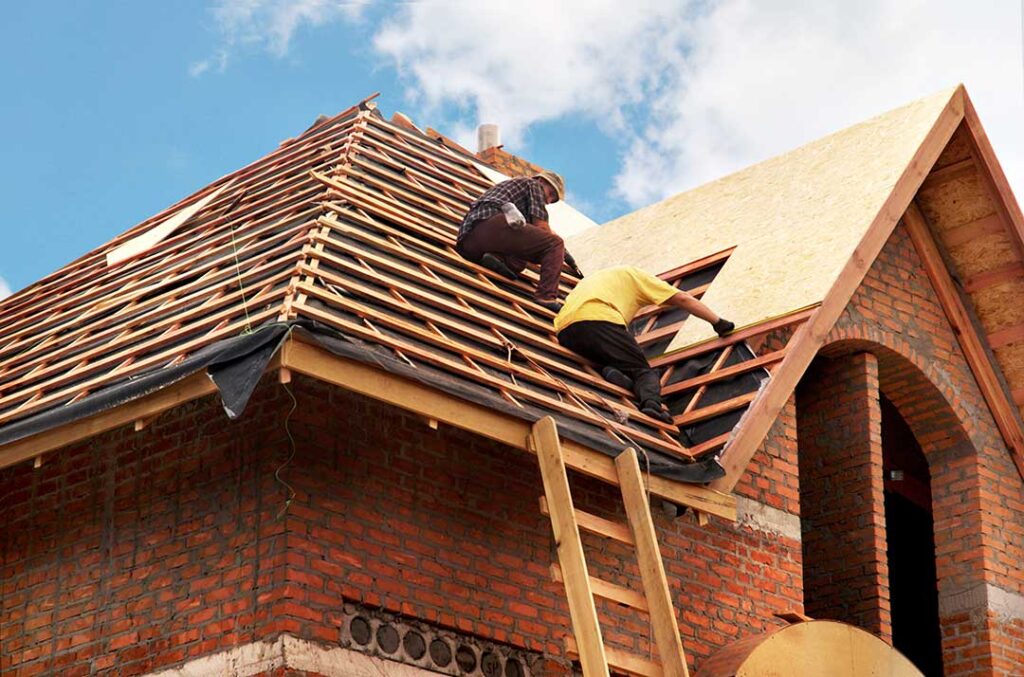
Roof decking is the structural layer beneath shingles or other roofing materials. It usually consists of plywood or oriented strand board panels attached to the roof framing. Although the decking is not visible from the ground, damage to it can affect the roof’s strength, moisture resistance, insulation, and ability to support normal snow and maintenance loads.
In Gloversville, NY, roofs face repeated freeze-thaw cycles, winter snow, spring rain, summer humidity, and falling branches. Those conditions can expose weaknesses that remain hidden until a leak, sagging area, or interior stain appears.
What does roof decking do?
Roof decking creates the solid surface that supports the underlayment and roof covering. It also helps distribute weight across the rafters or trusses.
Healthy decking should remain relatively firm, dry, and securely fastened. It should not feel soft underfoot, show widespread staining, or pull away from the framing. If panels deteriorate, the roof covering above them may lose a stable base even if the shingles still appear intact.
Decking is different from roof framing. Rafters and trusses form the main structural skeleton, while decking spans across that framework. Damage to decking may be limited to one or two panels, or it may indicate a larger moisture problem involving insulation, framing, or ventilation.
What are the visible signs from inside the house?
The first evidence of damaged decking often appears in the attic or upper-level rooms. Look for changes that suggest water has moved through the roof assembly.
Common warning signs include:
- Dark stains or water marks on the underside of roof panels
- Damp or moldy areas in the attic
- Rusted nails or fasteners
- Dripping or moisture after rain or snowmelt
- Daylight visible through roof boards
- Crumbling wood or swollen panel edges
- Insulation that is wet, compressed, or discolored
- A musty odor that becomes stronger after wet weather
A stain does not always identify the exact location of the roof defect. Water can travel along rafters, underlayment, or other surfaces before reaching the attic. A mark near one wall, for example, may originate higher on the roof.
If attic insulation is present, it can also hide early signs of trouble. A careful visual check should include the underside of the roof deck, areas around vents and penetrations, and places where two roof sections meet.
Can roof decking be damaged if there is no active leak?
Yes. Decking can weaken without producing an obvious interior drip.
Repeated wetting and drying may cause wood panels to swell, delaminate, or lose strength. A roof can also have small leaks that dry between storms, leaving behind structural damage but no constant water flow. Condensation from poor attic ventilation can create another moisture source, especially during cold weather.
Other causes include:
- Long-term exposure to roof leaks that were temporarily covered
- Ice dams that force meltwater beneath the roof covering
- Missing or damaged flashing
- Improperly sealed vent or chimney openings
- Roof coverings installed over already weakened panels
- Excessive humidity reaching a cold roof surface
- Fallen branches or other impact damage
A dry attic inspection reduces the chance of missing problems that only become visible after weather changes.
What roof-decking problems can be seen from outside?
Some exterior clues suggest that the decking beneath the roof covering may not be performing properly. These signs deserve attention even if the roof is not currently leaking.
Look for:
- Sagging or dipping areas between rafters
- A wavy roof surface that is not explained by shingle wear alone
- Shingles that appear uneven, loose, or poorly supported
- Sections where the roofline looks lower than surrounding areas
- Visible damage after a branch impact or heavy snow event
- Repeatedly lifted shingles in the same location
- Water collecting in an unusual depression
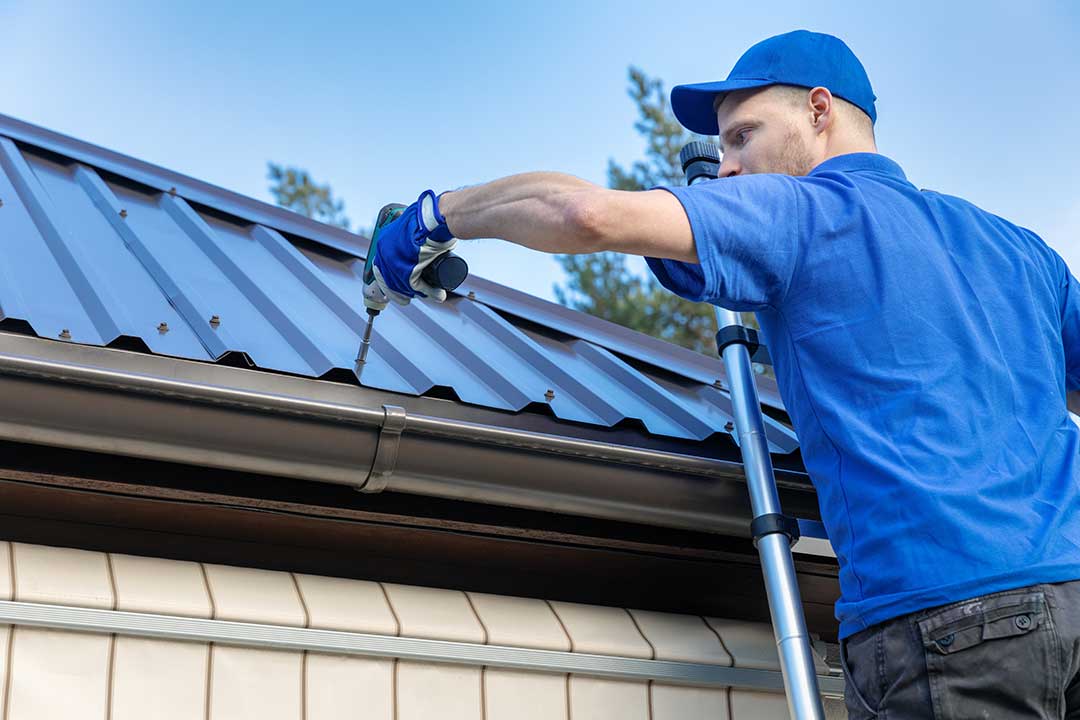
A small amount of visual irregularity does not always mean the decking has failed. Shingle installation, underlayment, framing movement, and lighting can affect how a roof looks. However, a new or worsening dip is more concerning than a long-standing cosmetic variation.
Do not climb onto a roof to investigate a soft or sagging area. The surface may not safely support a person, particularly when the decking has absorbed moisture.
How can homeowners tell the difference between a roof leak and decking damage?
A roof leak concerns the path water takes through the roof system. Decking damage concerns the condition and strength of the structural panel beneath the roof covering. The two often occur together, but they are not identical.
A leak may be caused by a damaged shingle or flashing issue while the decking remains sound. In other cases, the original leak may have been repaired, but the decking stayed weakened or distorted. A roof can also have minor decking deterioration without active water entry.
Signs that raise greater concern about the decking itself include:
- Softness or crumbling wood visible from the attic
- Panel edges that have separated or swollen
- A persistent sag between framing members
- Fasteners that no longer hold securely
- Areas that flex noticeably when viewed from below
- Widespread staining combined with a musty smell
Only a close inspection can determine how much material is affected. The visible damage may be smaller than the underlying area that has absorbed moisture.
When is roof decking an urgent safety issue?
Urgent attention is appropriate when the roof has a pronounced sag, the attic shows active water entry, or a large area of decking appears soft or detached. Immediate caution is also needed after a tree impact, major wind event, or unusually heavy snow load.
Keep people away from rooms directly beneath a visibly sagging section if the condition appears to be worsening. Avoid storing heavy items in the attic near damaged areas. Do not walk on questionable decking, since a panel can fail without much warning.
Electrical fixtures, wiring, and insulation may also become hazardous when exposed to water. If moisture is reaching electrical equipment, turn off power only if it can be done safely and without entering a wet area.
How do Gloversville weather conditions affect roof decking?
The local climate creates several recurring stress patterns. Snow may remain on a roof for extended periods, while temperature changes can produce melting and refreezing. Ice dams may allow water to move beneath shingles and into the roof assembly.
Spring rainfall can reveal damage that developed during winter. Summer humidity and warm attic temperatures may speed drying, but they can also increase condensation problems when ventilation is inadequate. Wind-driven rain and falling limbs can create isolated openings that gradually affect the decking below.
Older homes, additions, enclosed attic spaces, and roofs with multiple intersecting sections may require closer observation because they often contain more joints, valleys, and penetrations where moisture can enter.
What should happen after suspected decking damage is found?
The next step is to document the location and limit further exposure. Photographs from the attic or ground can help track whether staining or sagging is changing. Note when the problem appears, such as after rain, snowmelt, or a freeze-thaw period.
A qualified roof inspector may need to examine the roof covering, flashing, attic, ventilation, insulation, decking, and framing as one system. If panels are unsafe to walk on, inspection should be performed from a stable and protected position.
Repairs may involve drying the area, correcting the source of moisture, replacing damaged decking, and restoring the roof layers above it. If the problem is limited to a small section, replacement may be localized. Widespread deterioration can indicate that more extensive work is necessary.
Roof decking problems are easier to manage when identified before water reaches interior finishes or weakens framing. Regular attic checks, especially after winter and major storms, can reveal changes while the affected area is still easier to understand and address.
