

Are Solar Panels Suitable for Homes in Gloversville, NY?
Solar panels are increasingly visible in neighborhoods throughout Gloversville, NY, but not every home is equally suited for solar energy. Factors like roof condition, angle, tree cover, and local weather patterns all play roles in solar panel effectiveness. Residents often ask whether local snowfall, frequent overcast days, or home styles common to the city present unique challenges or advantages.
The region's cold winters do not prevent solar panels from working; in fact, solar panels tend to be more efficient at generating electricity in cooler temperatures, even if shorter daylight hours or snow accumulation temporarily reduce output. Roofs with a clear south or southwest exposure and minimal shading typically yield the best results for solar energy.
How Does Roof Age and Condition Affect Solar Panel Installation?
A structurally sound, well-maintained roof is essential before adding solar panels. If the roof is nearing the end of its lifespan—many asphalt shingle roofs need replacement after about 20-25 years—it’s usually wise to replace it before installing panels. This avoids the extra cost and hassle of removing and reinstalling a solar array in just a few years.
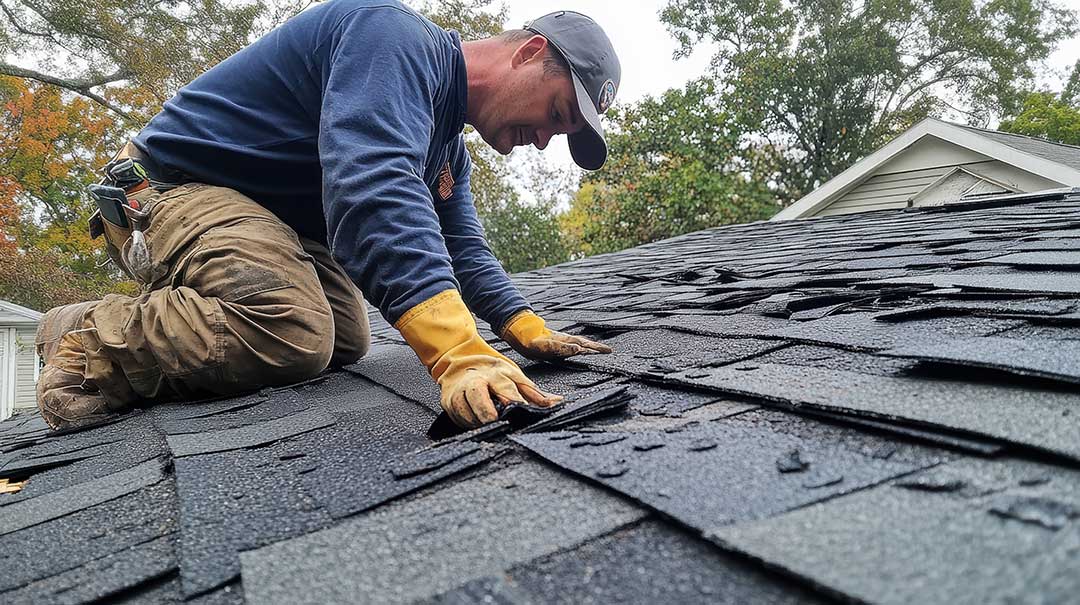
In older homes, common in many parts of the city, underlying framing and decking may also need inspection to confirm they can support the extra weight of panel systems. Solar mounting does involve anchoring into the roof structure, so any pre-existing leaks, soft spots, or significant wear should be addressed up front.
What Roof Types and Materials Are Compatible with Solar Panels?
Solar panels can be mounted on most roof types found in the area, but some materials require extra care or may add cost:
- Asphalt shingles: The most common local roofing material, generally well-suited for solar installations.
- Metal roofs: Standing seam metal roofs can make panel attachment easier, while older corrugated or metal shingle styles may be trickier but are still possible.
- Slate or cedar shake: Less common locally, these require careful handling and sometimes specialized mounting hardware, which can add complexity and expense.
Flat roofs, often found on older or commercial buildings, require different racking systems to achieve the optimal panel angle.
How Do Snow, Ice, and Local Weather Impact Solar Panel Performance?
Gloversville rooftops see significant snow and ice buildup each winter. While solar panels are designed to withstand harsh weather, snow cover does temporarily block sunlight. Most panels are installed at an angle that helps snow slide off, though heavy, wet accumulation may stick for longer.
Solar panels are slippery and positioned high above the ground, creating a hazard if anyone tries to remove snow themselves. In most cases, panels will clear on their own as sunlight warms their surface—even in sub-freezing conditions.
Heavy winds, hail, or ice storms in upstate New York are rarely a problem for quality solar panels, as they undergo rigorous weather-testing. Still, the mounting hardware and underlying roof must be secure and in good repair.
Will Installing Solar Panels Void My Roof Warranty or Cause Leaks?
A common misconception is that adding solar voids a roof warranty or leads to leaks. Most reputable solar mounting systems are designed to preserve the roof’s weatherproofing. When installed correctly to manufacturer and roofing industry standards, the risk of leakage is very low.
Homeowners should check the terms of their existing roofing warranty. Sometimes, warranties specify approved installation methods for rooftop equipment. Keeping records of pre- and post-installation inspections supports future warranty or insurance claims should any issues arise.
Do I Need Permits or Approval for Solar Panels Locally?
In Gloversville, adding solar panels to a residential property generally requires building permits and electrical inspections to ensure code compliance. Some neighborhoods or historic districts may have additional guidelines affecting exterior modifications, especially if your home can be seen from a public street.
It’s wise for residents to review local codes or consult the city’s building department early in the planning process. Permits help ensure the installation meets structural, electrical, and safety standards, protecting both property and occupants.
What Maintenance or Roof Upkeep is Needed After Solar Panels Are Installed?
Once installed, solar panels require little routine maintenance beyond the occasional visual inspection for debris or damage. However, the presence of solar panels can make future roof repairs or replacements more involved, as the panels must be temporarily removed.
To extend the lifespan of both the roof and the solar system:
- Keep gutters and valleys free of leaves and blockages to prevent water backup beneath panels.
- Schedule periodic checks of roof penetrations, flashing, and the attic for signs of leaks or moisture.
- If tree branches overhang the array, trim them back to reduce shade and prevent debris from accumulating.
Are There Considerations for Older or Historic Homes?
Gloversville’s housing stock includes many older properties where rafters may be undersized, roofing may not meet modern standards, or the structure is designated historic. In these cases, extra steps—such as engineering assessments or visual approvals—may be necessary.
Owners of historic homes should also look into guidelines covering aesthetic impacts, as some neighborhoods encourage maintaining original rooflines or materials that could influence panel placement or type.
Does Roof Orientation or Angle Significantly Affect Solar Output?
For maximum energy generation, solar panels are ideally placed on roofs that face within 30 degrees of due south and have a pitch between 25 and 45 degrees. Many Gloversville homes fit this profile, but not all. East- and west-facing roofs can still provide good value, though total yearly output may be reduced by 10–20%.
Shading from tall trees or adjacent buildings is a key limiting factor. Even partial, seasonal shading can reduce output, so a shade analysis is often recommended.
What Are Some Overlooked Factors When Planning Rooftop Solar?
Homeowners sometimes overlook important day-to-day factors:
- Roof access: If your roof is difficult to reach, cleaning gutters, inspecting shingles, or maintaining vents post-installation may be harder.
- Vent and skylight locations: The presence of skylights, chimneys, roof vents, or satellite dishes can affect panel placement.
- Gutter and snow guard configuration: Ice dams and snow slides may become more likely along panel edges; well-designed snow guards or diverters may be suggested.
- Panel visibility: In tightly packed neighborhoods, consider how glare or panel angles might affect nearby properties.
Taking the time to review these details can help avoid surprises and ensure that solar panels will serve your home—and roof—well for decades.
