
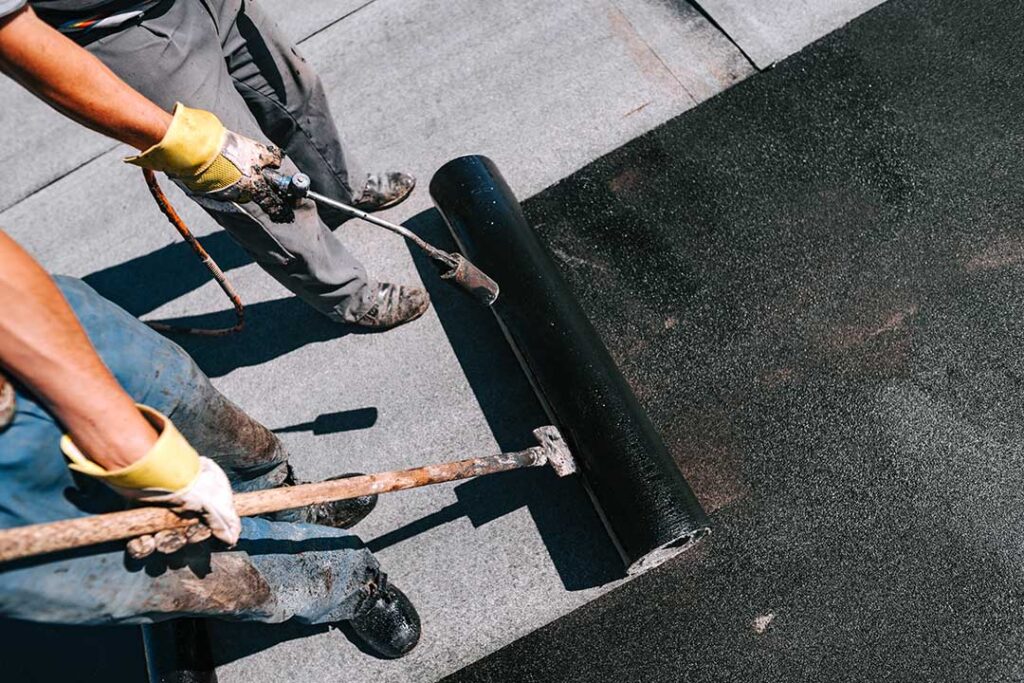
Old roofing materials do not all belong in the same waste stream. In Gloversville, NY, asphalt shingles, metal roofing, wood, insulation, flashing, and suspected asbestos-containing materials may require different handling. The safest approach is to identify each material, keep recyclable debris separate, and confirm acceptance requirements before transporting anything.
Can old asphalt shingles be recycled?
Yes. Clean, recognizable asphalt shingles can often be accepted by a permitted construction and demolition debris handling or recovery facility. Recycled shingles may be processed into asphalt pavement or other construction materials.
Shingles should be separated from ordinary household trash whenever possible. Recycling facilities generally want material that is:
- Free of household garbage
- Free of large amounts of wood, insulation, siding, and soil
- Separated from hazardous materials
- Not contaminated with chemicals, oils, or other substances
- Not suspected of containing friable asbestos
Roofing paper may also be accepted with asphalt shingles at some facilities, but acceptance policies vary. A facility may charge by weight, require the material to be delivered in a particular vehicle, or refuse loads containing too much mixed debris.
Shingles from a small repair may not be enough to justify a separate trip, but they should still be kept out of curbside recycling bins. Most household recycling programs are not designed to process roofing materials.
What should be done before removing roofing materials?
Sorting begins before the roof is stripped. If several materials are mixed together in one trailer or dumpster, the load may become more difficult and expensive to recycle.
Before removal, identify the main materials:
- Asphalt shingles
- Roofing felt or synthetic underlayment
- Metal flashing, drip edge, and fasteners
- Copper or aluminum components
- Wood decking and framing
- Rigid insulation
- Plastic or rubber membrane roofing
- Slate, clay, or concrete tile
- Gutters and downspouts
- Vent covers and other roof accessories
Metal should be separated from shingles because it may be accepted through a metal recycling stream. Large pieces of clean wood may have different reuse or recycling options than roofing debris. Tile, slate, and reusable fixtures can sometimes be salvaged, but broken or mixed materials may be handled as construction debris instead.
A clean, separated load is easier to inspect and more likely to be accepted.
How can roofing materials be kept dry and contained?
Roofing debris should be covered during storage and transport. This matters particularly in a region with snow, rain, freezing temperatures, and seasonal wind. Wet roofing paper can become heavy and difficult to handle, while loose shingles can blow into streets, yards, drainage areas, or neighboring properties.
Useful practices include:
- Place debris on a tarp or in a covered container.
- Avoid leaving loose shingles in an uncovered pickup bed.
- Keep nails and sharp metal pieces contained.
- Do not overload bags or containers until they are difficult to lift safely.
- Use a tarp secured on all sides during transport.
- Sweep the work area with a magnetic pickup tool after removal.
A temporary pile should not block sidewalks, gutters, driveways, or emergency access. Roofing nails can remain hidden in grass, gravel, and snow, so cleanup deserves attention after the visible debris is gone.
Are old shingles considered hazardous waste?
Most ordinary asphalt shingles are managed as construction and demolition debris rather than household hazardous waste. However, roofing debris may become hazardous or unacceptable if it contains asbestos, chemical contamination, excessive tar, or other regulated materials.
Older roofing products can be difficult to identify by appearance alone. Suspected asbestos-containing shingles, felt, insulation, or cement roofing products should not be broken, cut, ground, burned, or placed in a regular recycling container. Asbestos fibers can become airborne when materials are damaged.
If a roof or siding system may contain asbestos, testing and regulated removal procedures may be necessary before disposal. This is a safety and compliance issue, not simply a recycling question.
Other materials requiring special caution include:
- Roofing products soaked with oil, solvents, or other chemicals
- Containers with leftover roof coatings or sealants
- Fluorescent fixtures or electrical components removed during a roof project
- Pressure-treated or heavily painted wood
- Debris from a known spill or contaminated building
These materials should remain separate until the correct disposal requirements are confirmed.
Where can residents take old roofing materials?
The usual destination is a permitted construction and demolition debris facility that accepts asphalt roofing shingles and roofing paper. New York facilities may be registered or permitted for specific material categories, and not every facility accepts every type of roofing waste.
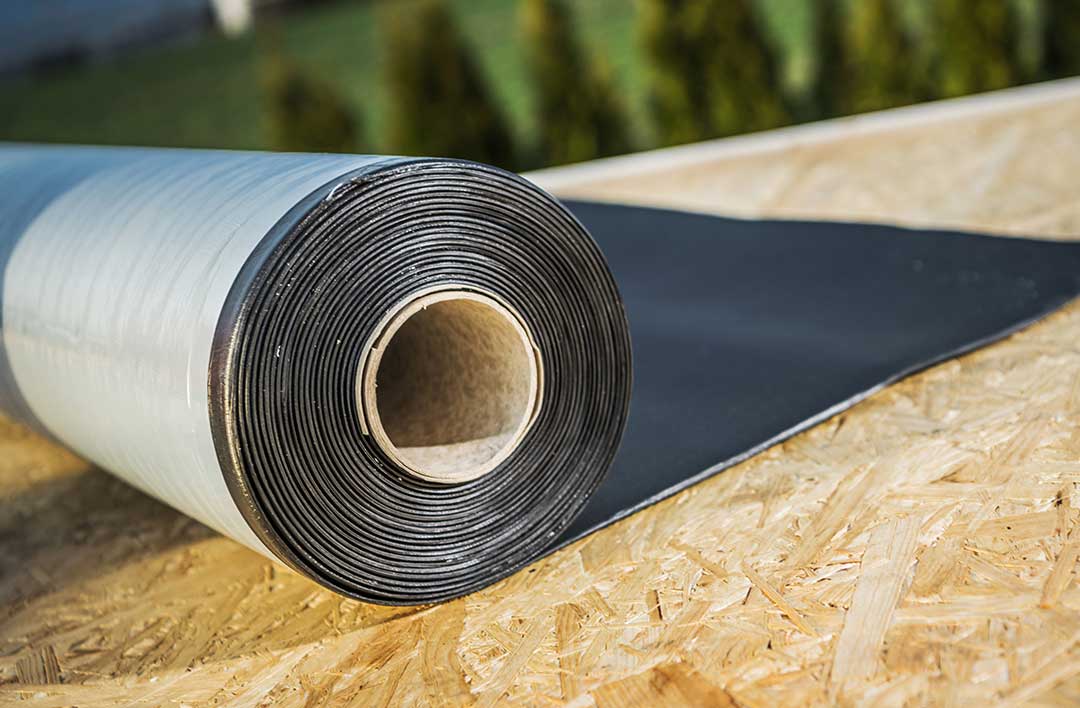
Before loading a vehicle, verify:
- Whether asphalt shingles are accepted
- Whether roofing paper can be included
- Whether metal must be separated
- Whether the facility accepts residential loads
- Whether asbestos-containing material is prohibited
- Whether there are limits on mixed debris
- Whether the facility requires a tarp or covered load
- Whether fees are based on weight, volume, or minimum load size
The New York State Department of Environmental Conservation maintains information about construction and demolition debris handling and recovery facilities. Local waste program information may also identify transfer stations or drop-off locations serving area households. Policies can change, so checking current requirements before transport helps prevent a rejected load.
Can roofing materials be reused instead of recycled?
Sometimes. Reuse is most practical when materials are clean, undamaged, and removed carefully.
Examples may include:
- Unused bundles of shingles kept dry and intact
- Salvaged slate or clay tiles
- Metal flashing in good condition
- Gutters and downspouts without severe corrosion
- Undamaged roof vents or skylight components
- Clean lumber recovered during roof work
Used shingles are generally less suitable for reuse because they may be brittle, curled, nailed through, or weather-damaged. Reuse should not compromise the performance or safety of a roof. Materials with uncertain age, hidden damage, or missing installation information should not be treated as automatically suitable for another building.
What about ice, snow, and seasonal conditions?
Cold-weather work creates additional handling concerns. Shingles can become brittle in freezing temperatures, and snow or ice can hide nails and sharp fragments. Wet debris weighs more and may freeze into solid masses inside a container.
For projects during colder months:
- Keep materials covered but ventilated enough to limit trapped moisture.
- Do not climb onto icy roof surfaces to retrieve loose debris.
- Avoid storing debris where melting snow can carry fragments into storm drains.
- Check that tarps remain secured after wind or snowfall.
- Plan transport before debris freezes together.
Spring thaw can reveal nails, underlayment scraps, and small pieces that were hidden beneath snow. A second cleanup pass may be needed after the ground becomes visible.
What is the most responsible disposal method?
For most residential roofing projects, the responsible method is to separate recyclable roofing materials from metal, wood, household garbage, and potentially hazardous debris. Keep the load covered, use a facility authorized to receive the material, and never burn shingles or dump them on vacant land, woodland, roadside areas, or private property.
Recycling does not mean every piece of an old roof will be recovered. Some materials may still require disposal. The goal is to keep clean, recoverable roofing debris out of the general waste stream while preventing unsafe or contaminated materials from entering a recycling load.
